Summer School II – “Clean Rivers, Clean Seas”
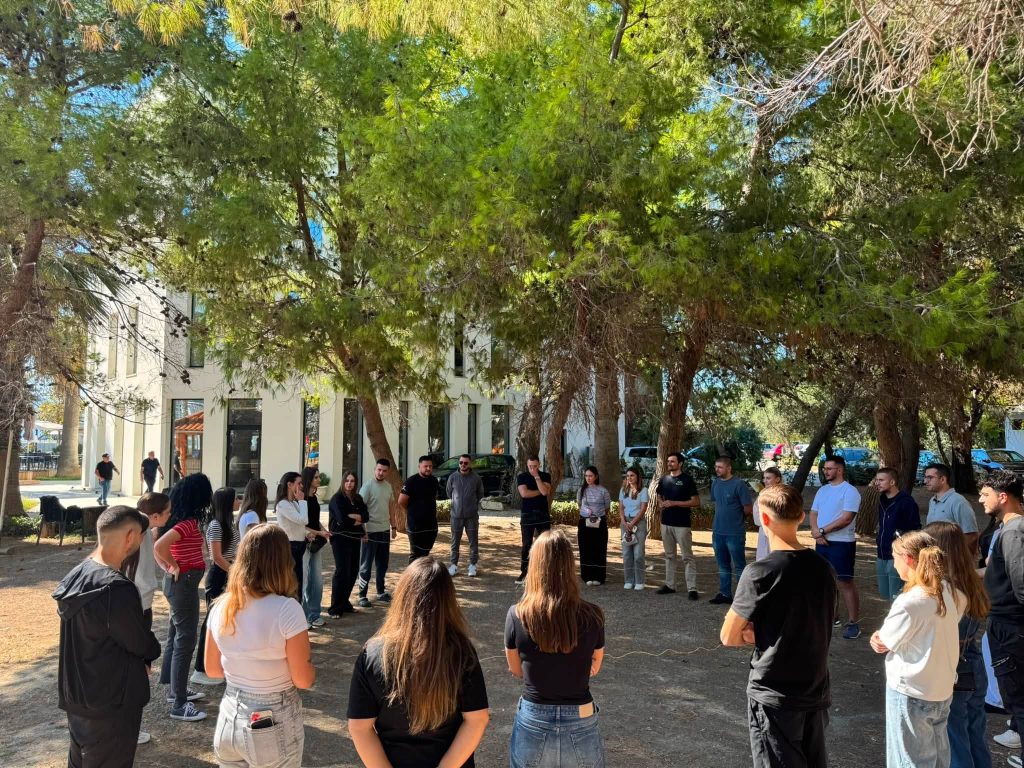
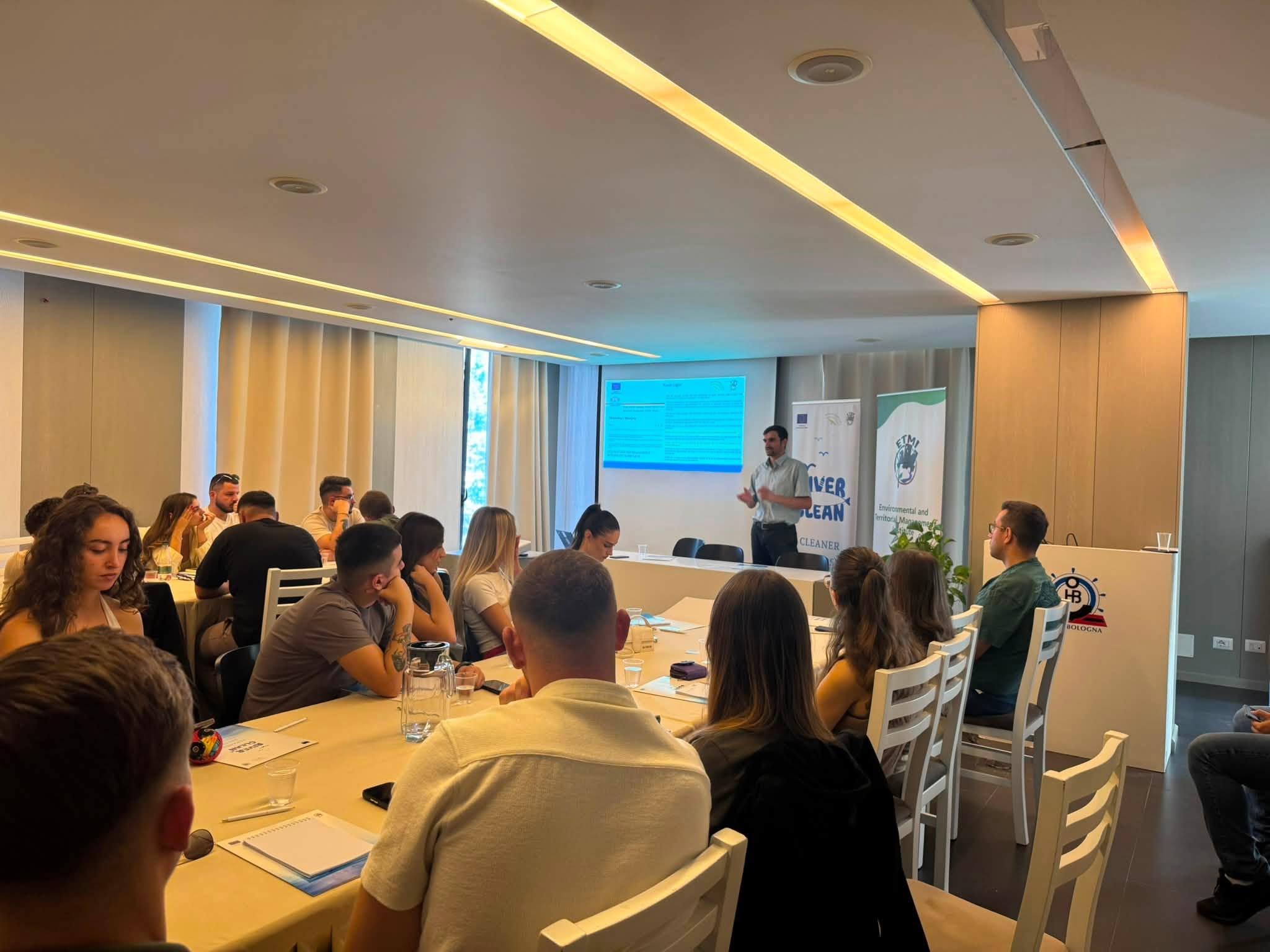
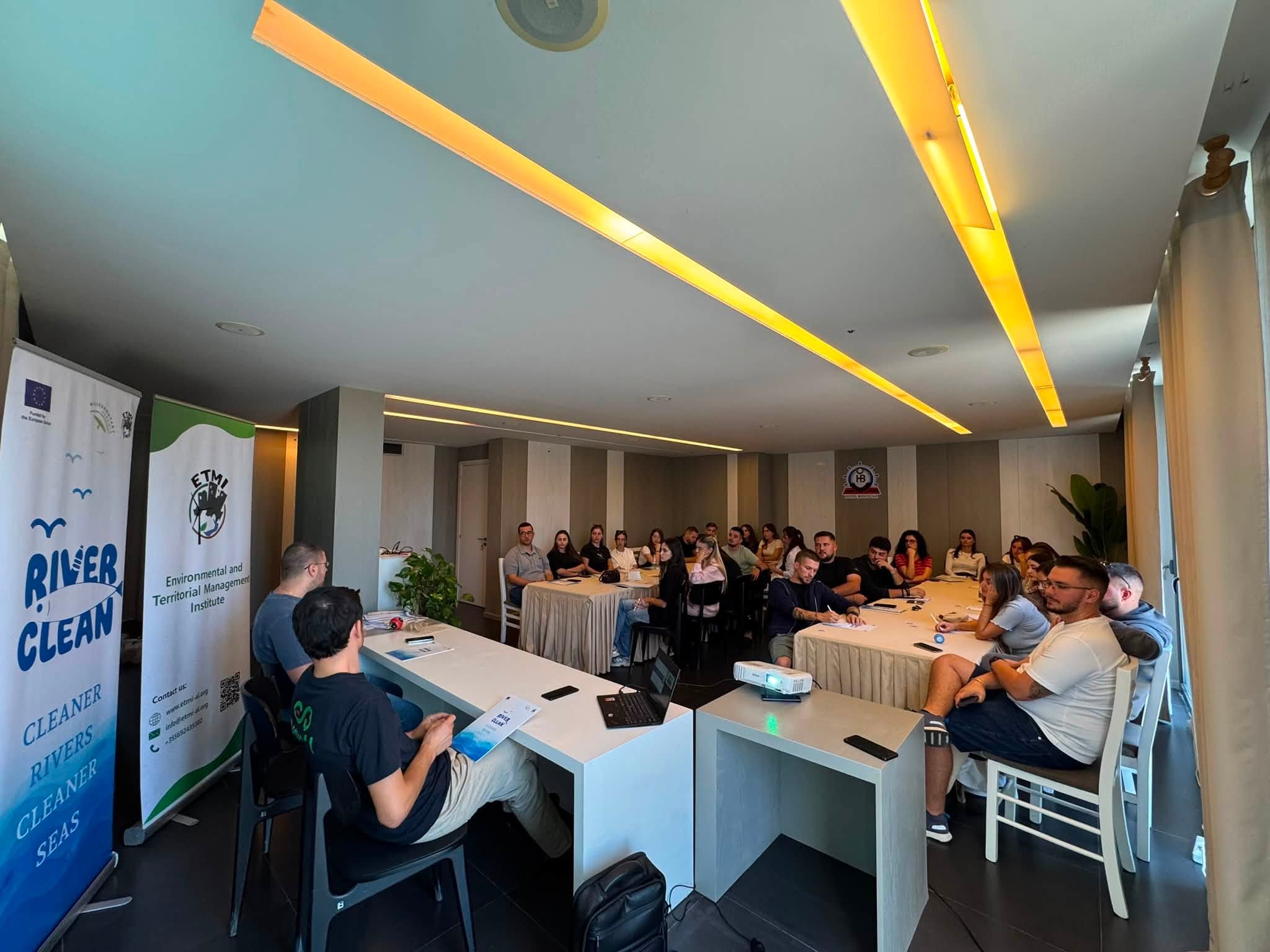
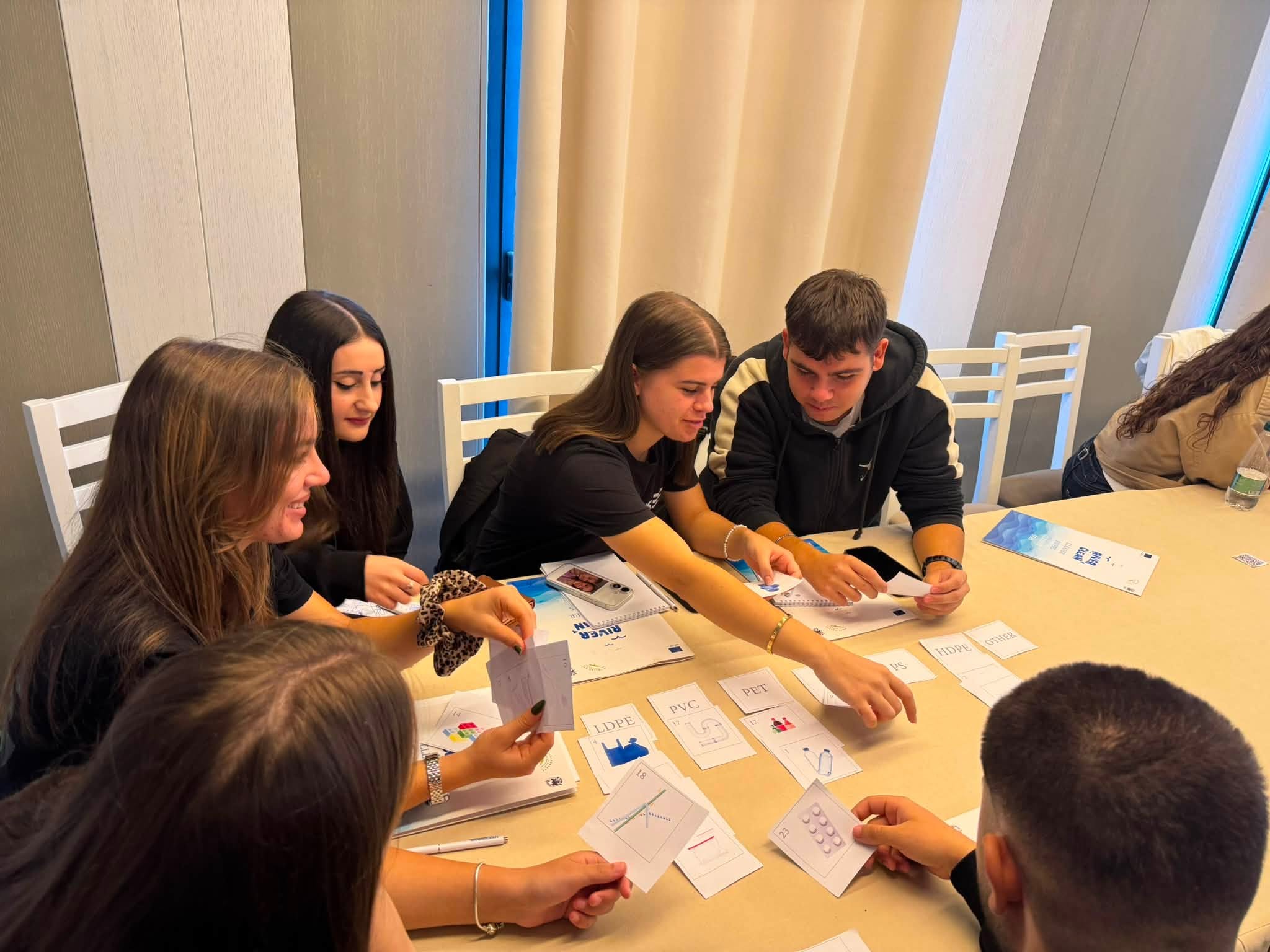
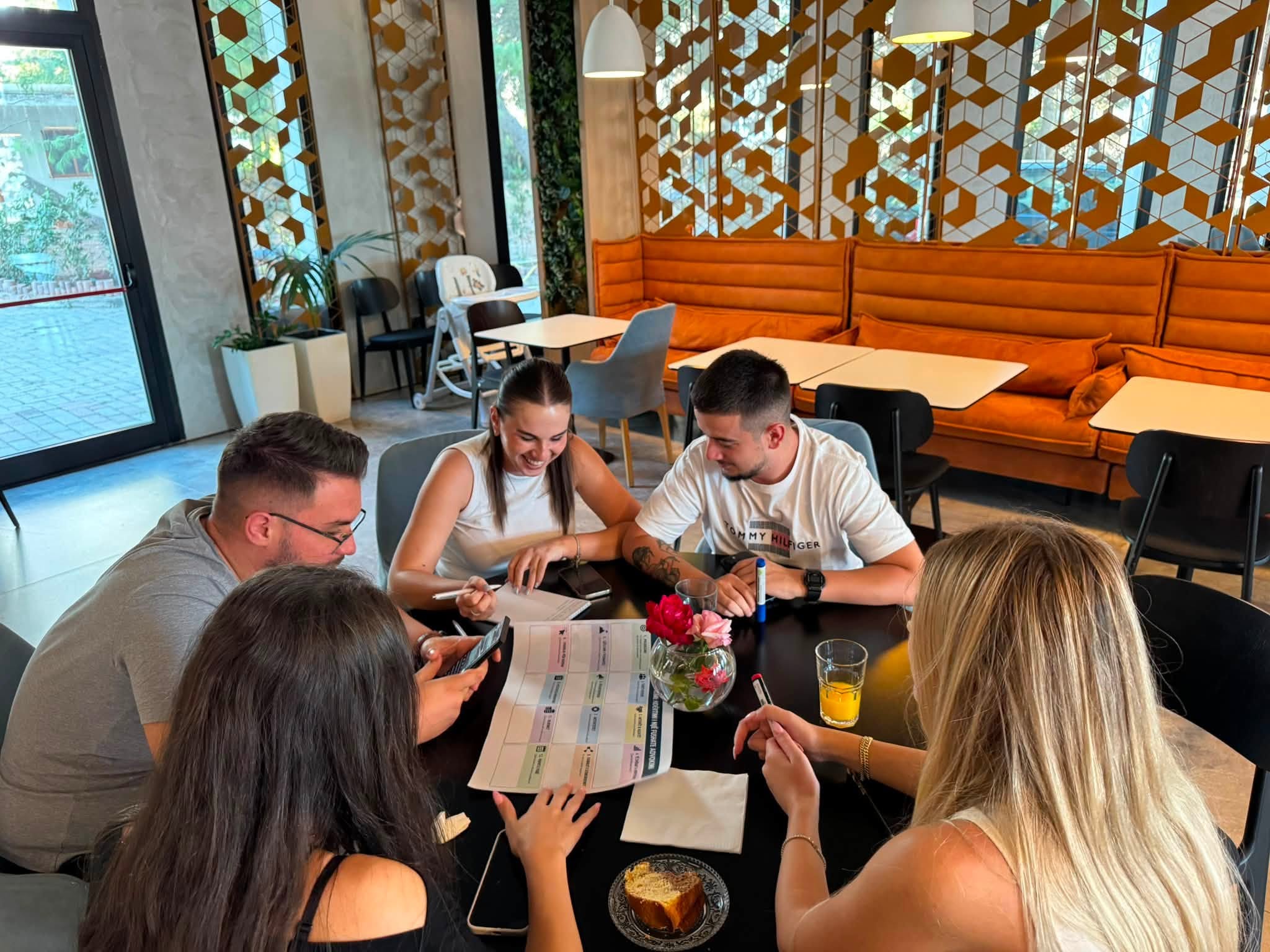
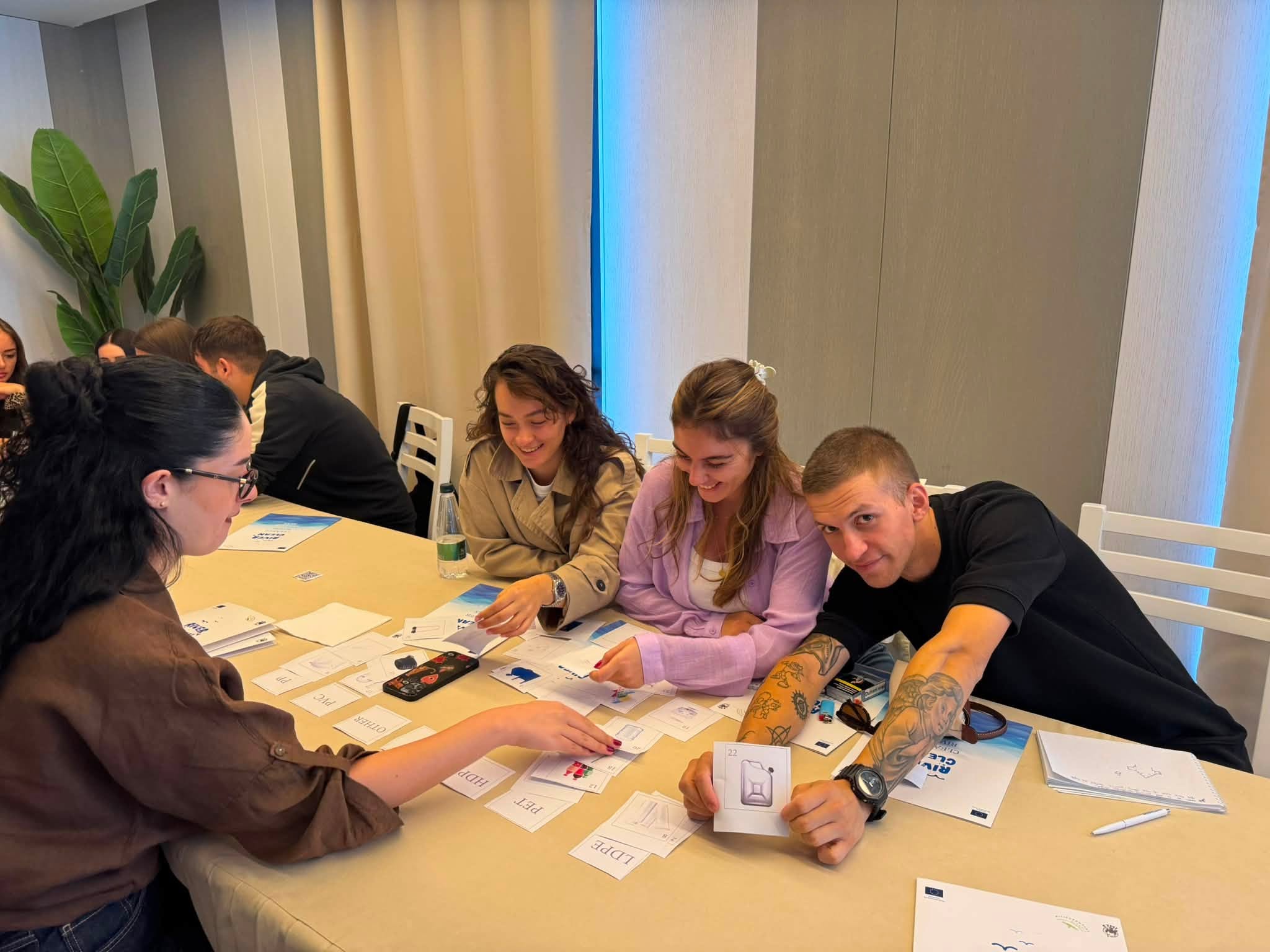
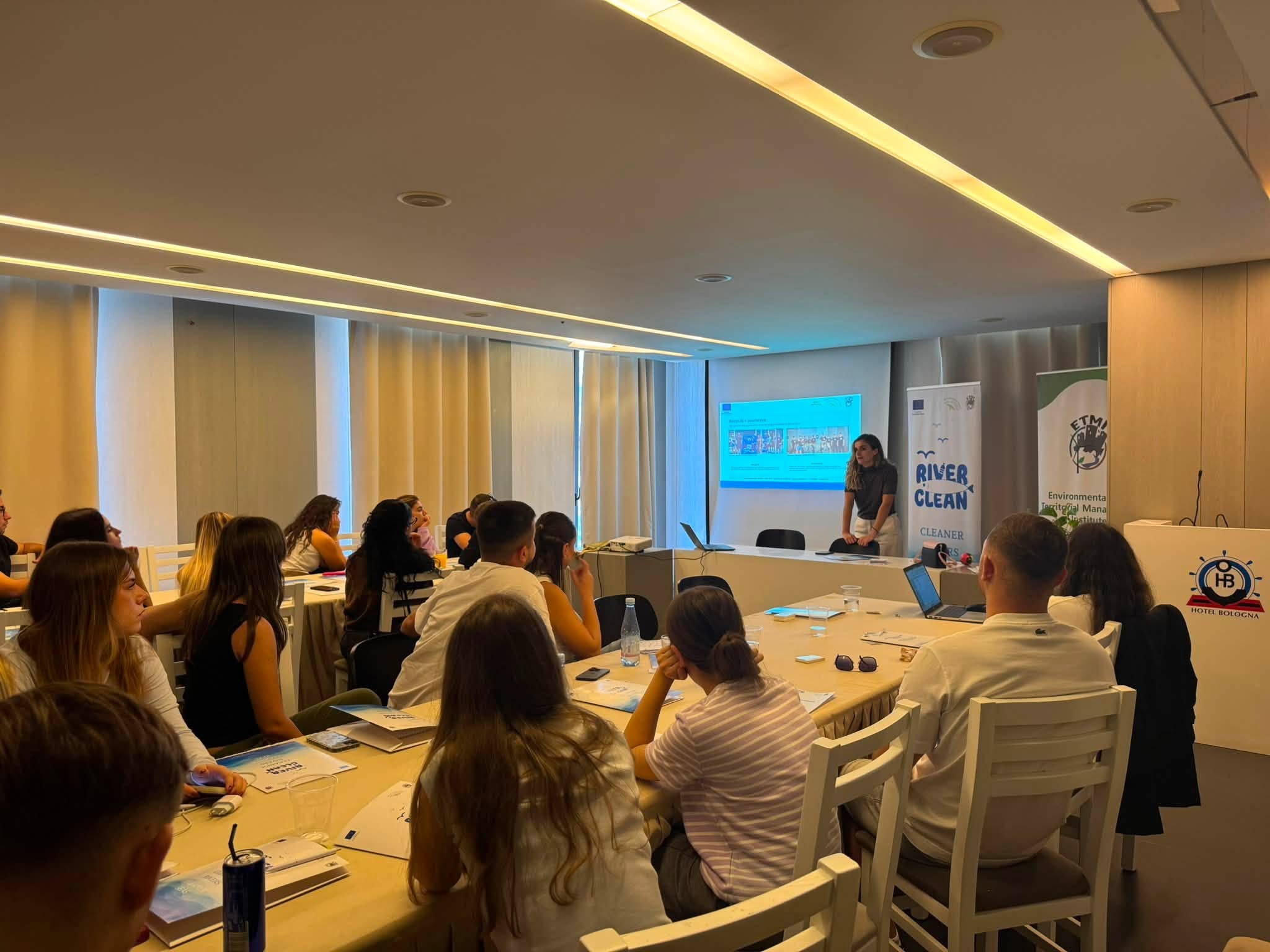
Within the framework of the project “Clean Rivers, Clean Seas”, the second edition of the Summer School was held from 29 September to 3 October 2026, bringing together 30 young participants. The main objective of the Summer School was to enhance young people’s knowledge and capacities regarding best practices for preventing plastic pollution, promoting the circular economy, and strengthening environmental activism, empowering them to advocate for greener policies and initiatives. The programme was primarily based on a non-formal education approach, combining informative sessions with practical activities, the identification and categorisation of different types of plastics, the presentation of successful models, study visits, and the collaborative development of concrete ideas and projects aimed at preventing plastic waste. The programme was led by experts from the recycling company Recycle Albania, who shared their experience and expertise with participants on models and practices for the collection, sorting, and recycling of plastic and glass waste.
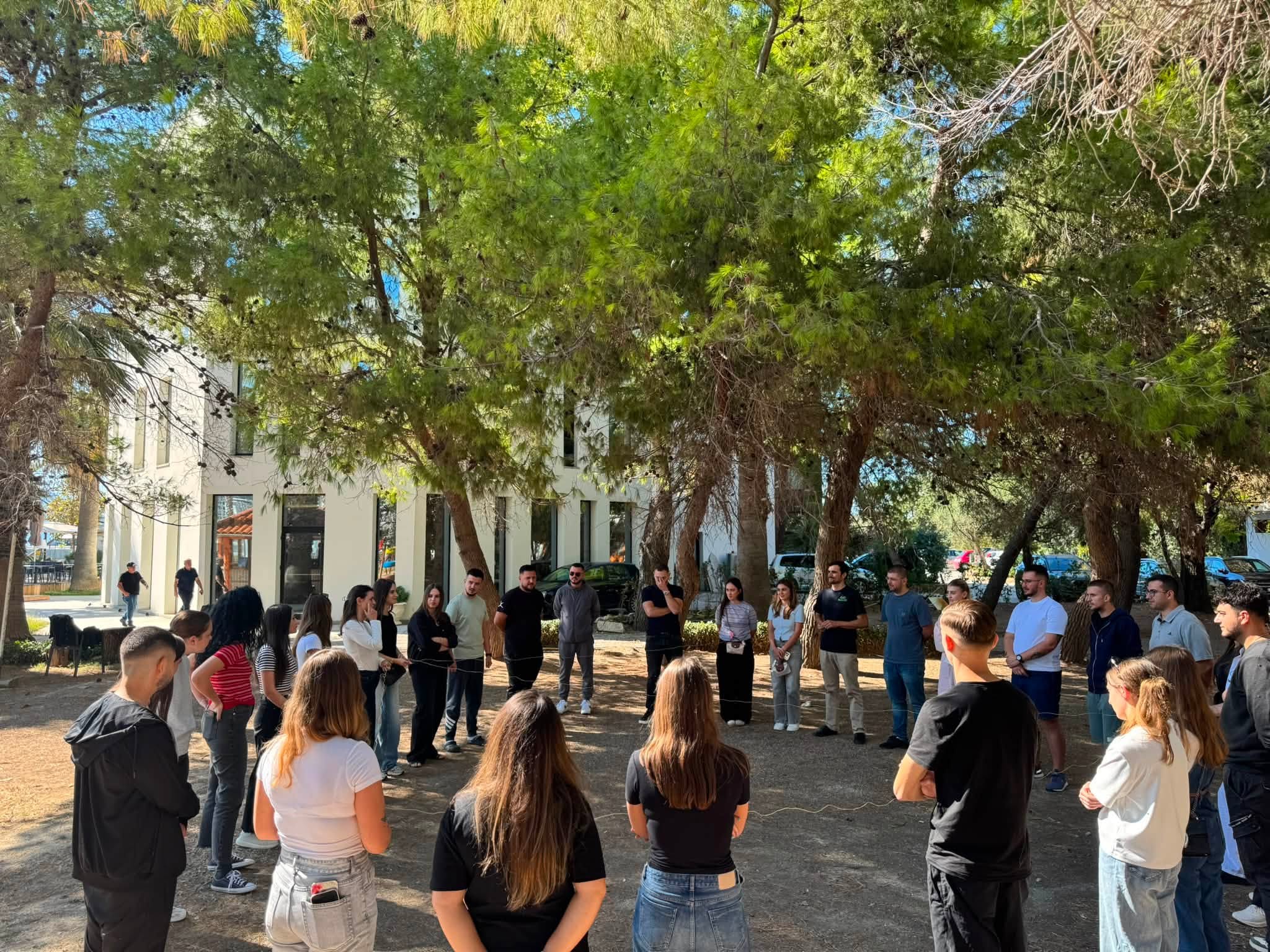
During the first days of the programme, young participants were introduced to the fundamental concepts of the circular economy, closing the value chain, and extending the lifecycle of products, based on the principles of reducing, reusing, repairing, and recycling. Another important topic addressed was marine litter, with a particular focus on the sources of pollution, the pathways through which waste is dispersed, and its impact on coastal ecosystems and the marine environment as a whole. Participants were also introduced to the key institutions at both central and local levels responsible for developing and implementing policies related to plastic waste reduction and improved waste management. Special attention was also given to financial mechanisms that can support the development of the waste management sector, such as Extended Producer Responsibility (EPR) schemes and Plastic Credits mechanisms. The theoretical presentations were complemented by practical exercises and group simulations, during which young participants assumed different roles and engaged in interactive scenarios proposed by the experts.
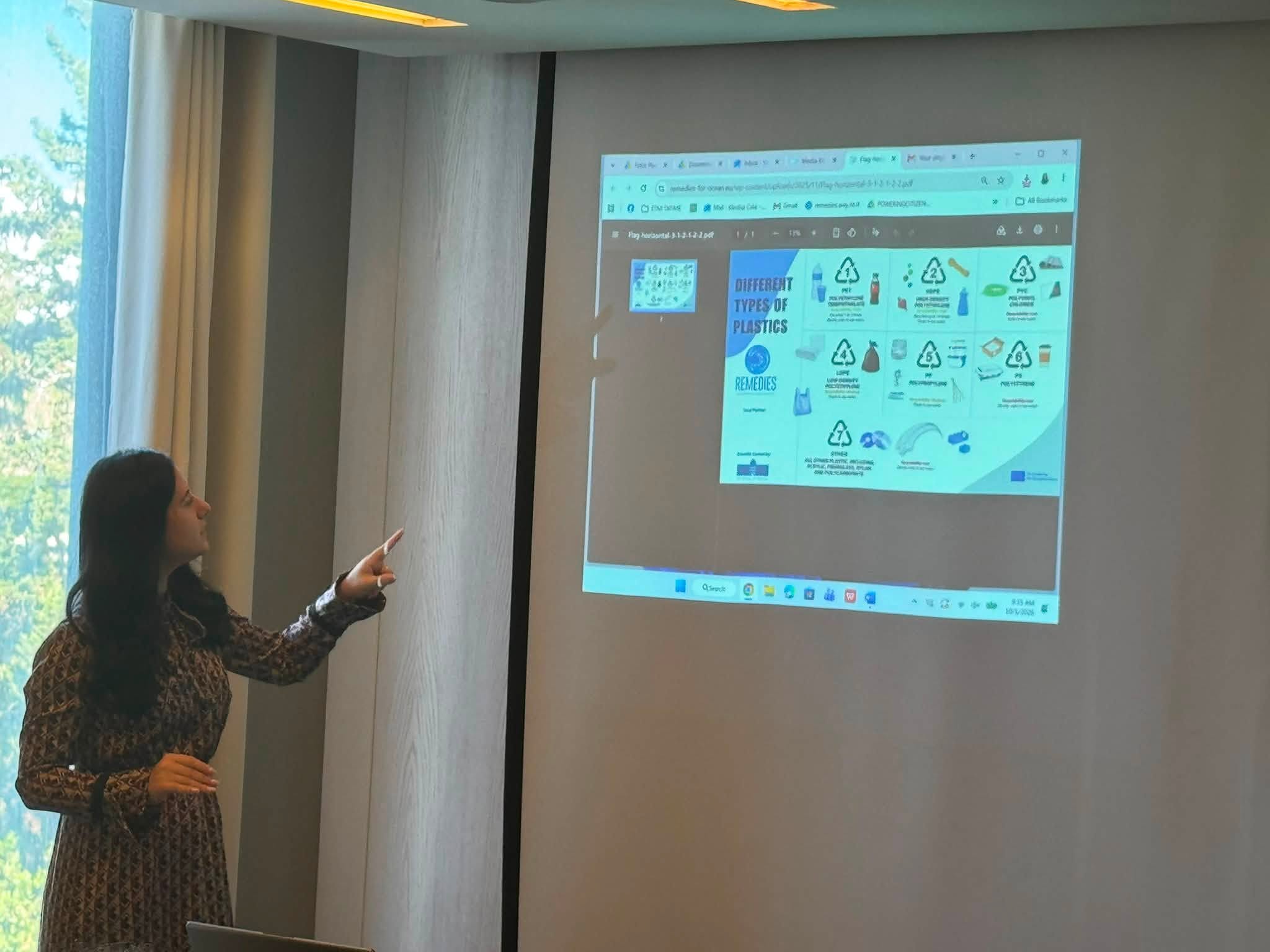
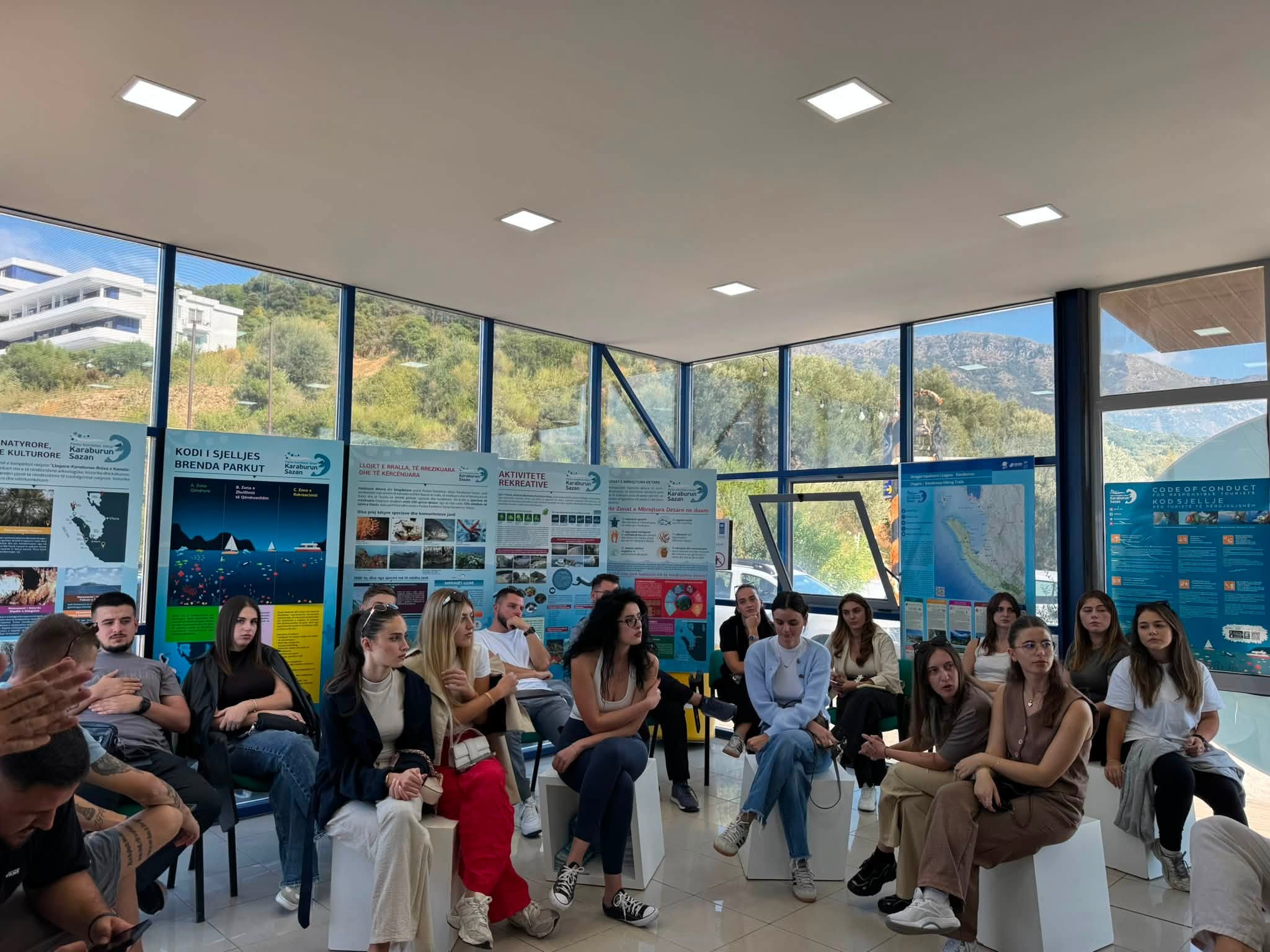
In the following days, the focus shifted towards practical methods for identifying and categorizing plastic waste through the use of the REMEDIES application. This application enables users to record and categories plastic waste according to its type and relevant characteristics, contributing to the monitoring of the quantities and distribution of plastic waste across different locations along the Albanian coastline. In cooperation with the RiverClean team, the young participants took part in a study visit to the area of Sazan Island, where they carried out a plastic waste collection activity and subsequently tested the methodology for identifying and categorizing the collected waste. Through this field experience, participants had the opportunity to gain first-hand insight into the challenges of plastic pollution in coastal areas and apply the knowledge acquired during the theoretical sessions. On the final day of the Summer School, particular attention was devoted to environmental activism and the role of young people in driving change within their communities. Participants were introduced to methods for organizing advocacy and awareness-raising campaigns, mobilizing communities to clean up and protect rivers, as well as the importance of dialogue and cooperation with local self-government units and central-level institutions.